Preschool - Infant Program
Learning Environment
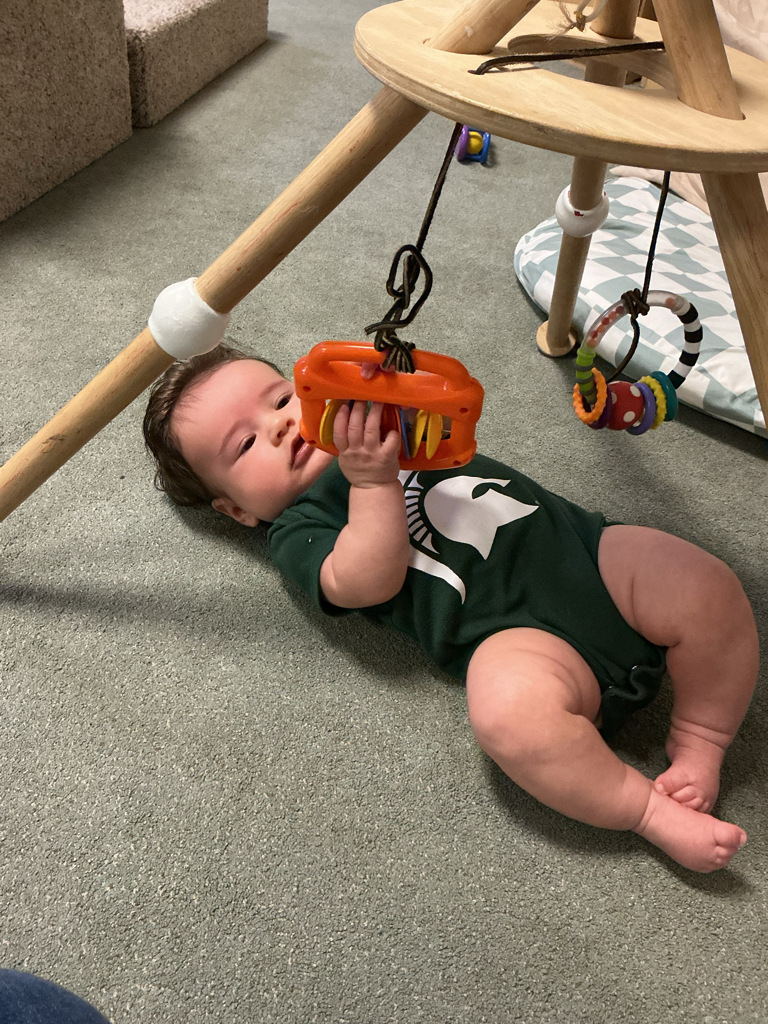
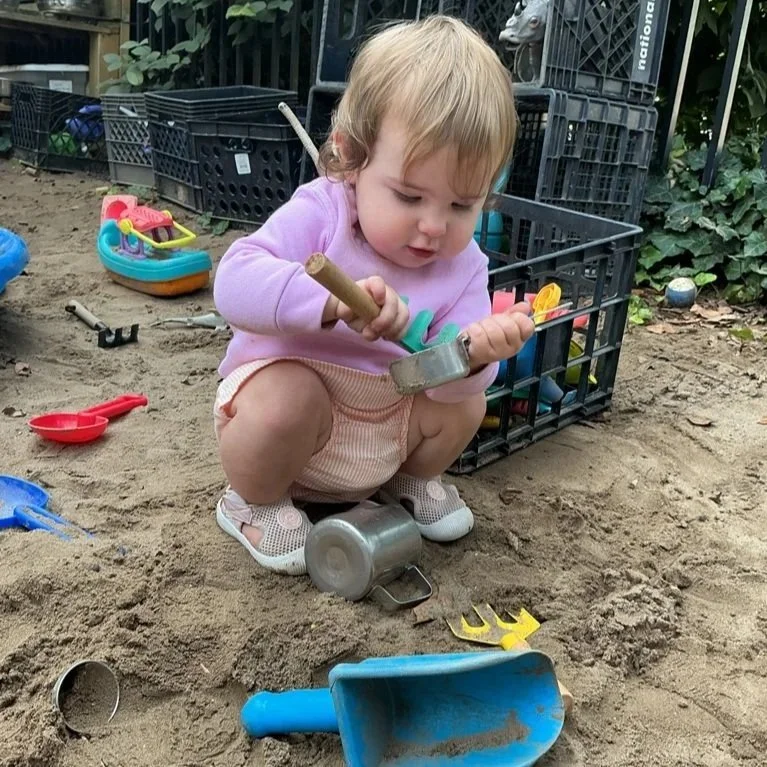
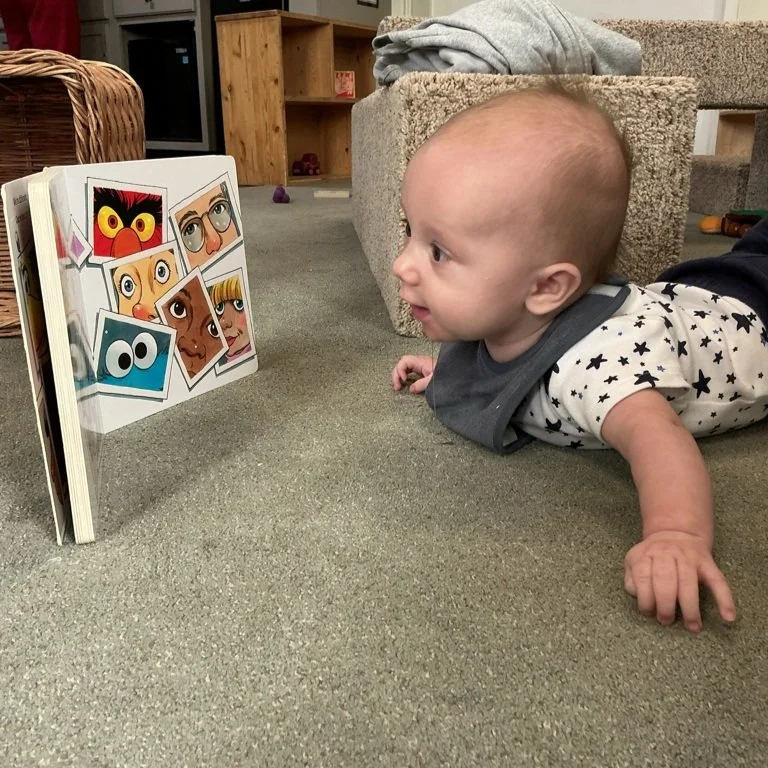
The environment plays a large role in ensuring that each infant receives appropriate stimulation and challenges. The children are provided with a variety of natural items to manipulate, touch, watch, follow, taste, and investigate. The Infant Room's daily schedule includes regular outdoor time, exposure to foreign and sign language, as well as a rich musical atmosphere. In 2011, Peoples Church Preschool added a beautiful new room for nursing mothers. This classroom is also home to our coral reef fish tank. It is built into the wall for children and adults to enjoy throughout the day!
Partnerships with Parents
Teachers partner with families to mirror the child’s predicted schedule from home to create consistency and maintain routine. This classroom’s schedule is completely on-demand and changes to the daily schedule will be made to meet the needs of individual children. For example, a child may not participate in the scheduled outdoor time because they instead needed a nap. Meals and nap times occur all throughout the day. As children approach one year of age and their time to transition to the Toddler Room, teachers will work to shift schedules to align more with the expectations of a group schedule in the Toddler Room. This typically includes learning to rest on a cot rather than a crib, eating meals on a predicted group schedule and eliminating bottles from their daily routine. We encourage older, mobile infants to begin to get used to sippy cups and wearing shoes.
Building Communication Skills
To encourage the emergence of language, teachers use language stimulation techniques such as description, parallel talk, self-talk, expansion, and expansion plus. Families are encouraged to do this, too.
Description is a narration of what is happening in the child’s world. Parallel talk involves utilizing the word “you”, as in “You pulled off your sock!” Self-talk involves using the word “I”, as in “I will pick you up again as soon as I wash my hands.” Children benefit from the use of self-talk as it allows them to learn from what is happening around them, make connections, and communicate respect from adult to child.
Expansion means to expand on the child’s language. For example, if the child says, “Muh.” The caregiver will expand that and say, “You want more milk.” Finally, an example of Expansion Plus would be if the child said, “Bye bye,” an adult may expand on that and add, “It’s time to get your things and go bye bye.”